Film Information
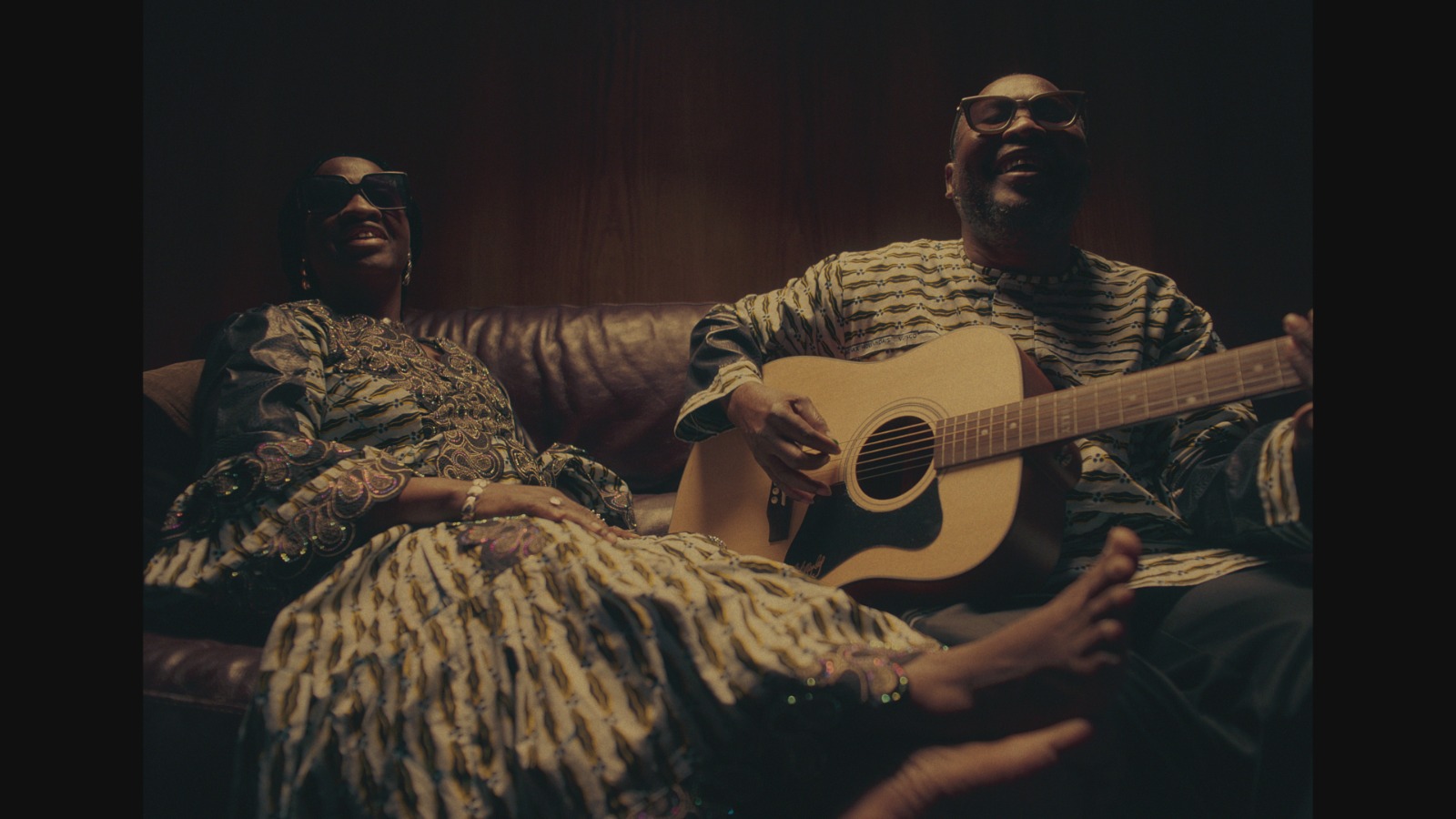
Amadou Bagayoko and Mariam Doumbia are world-renowned as a duo of blind musicians whose experimental fusion and unique African pop is at the centre of Ryan Marley’s musical biographical documentary. Their music is blues, rock and African, historical and experimental, exciting and moving. With such life and vibrancy, the documentary slows it down, presenting an ode to these two icons.
Given Bagayoko’s passing in 2025, Blind Couple from Mali adopts a reverent tone with testimonials from close relatives and fellow musicians, exploring the genesis of the couple’s hit songs and the legacy of their music.
Mixing some humour, historical narrative and music, the film portrays an atypical account of their lives, told in their own words. While this serves the intrigue of the first half, the second half of the film simply repeats admiration of the artists, leaving the sense of an overextended overture.
Nevertheless, the statement of the film is clear. Bagayoko and Doumbia are somewhat mythical African musicians whose legacies have remained excessively positive. Rather than recompose their story, this biography, in the fashion of musical melody, simply organises, compiles and lays it on—much like how the duo’s music has been covered, sampled and replayed the world over.
For both Bagayoko and Doumbia, who married against the initial wishes of their families, blindness is a part of their lives which brings them together. They sing ‘Ça c’est pour la vie’ (‘This is for life’) in their major song, Sabali, as a double entendre of their condition and their love for each other. Bagayoko jokes that he can see better than if a seeing person closed their eyes, since blindness is not darkness—and in each other is light.
Bagayoko and Doumbia also have unique relationships to blindness. The former went blind slowly and naturally while the latter was struck blind by measles. The former has almost lost all sight, seeing only blobs of light, while the latter can still see colour from one of their eyes.
The film's advocacy for the visually-impaired is achieved through the exploration of how non-uniform each person’s experience of blindness is. Notably, as well, neither Amadou nor Mariam consider blindness as a significant problem in their lives, explaining their methods of getting around, like counting their steps or using assistive technology. We briefly see inside their daily lives, before the film is whipped right back to its central motif—the trajectory of their musical career.
At first, the duo were called “Mali's Blind Couple” but changed to simply “Amadou and Mariam” when they started touring stadiums and collaborating with international artists, symbolising that their music has become more about universal themes such as love, notably the passions shared between them. One of their most popular songs, Je pense à toi ("I think of you"), is a romantic ode that Bagayoko wrote about Doumbia, which became one of their first major hits. Soon, these universal themes of their music, combined with their unique approach, catapulted them to fame. Early in their journey, they had already attained massive success.
Back in Bamako, they became an inspiration for Malian music. This is contrasted with the situation in the 1980s when Mali was importing music from other parts of the world. Bagayoko and Doumbia had to relocate to Ivory Coast to develop their first album because facilities were not available for recording music in Mali. Now, in the Parisian suburb of Montreuil, known as the “second capital of Mali”, migrants and expats living in France stop them regularly on the street for autographs and pictures, or sing Amadou and Mariam’s famous songs.
The film certainly does not ignore their history of stigma growing up in Bamako, where parents would leave their blind children at home or coax them to beg for money, but unravels their evolution to prominent musicians as a result of both their talent and daring approach of merging blues, rock and traditional African music. Coldplay’s Chris Martin describes Bamayoko’s guitar-playing as making the strings sing.
Perhaps, the sustaining message of the documentary is that this duo’s musical genius is undoubted, as various international musicians draw inspiration from Doumbia’s vocals and the couple have toured and collaborated internationally, propelling them as both formative and inspirational to contemporary African pop.
Their overture continues on, a lasting and permanent presence of Mali, of music and of each other—Amadou and Mariam.